Bourbon vs Scotch
Two titans of the whisky world. Same spirit, different philosophies. Here's everything that separates them — and why you should probably drink both.
The bourbon-vs-scotch debate is one of the oldest in the spirits world, and it's entirely the wrong question. They're not competitors — they're cousins raised in different countries with different values. Bourbon is bold, sweet, and democratic. Scotch is diverse, layered, and steeped in centuries of tradition.
Understanding the differences will sharpen your palate, help you order with confidence, and — most importantly — open up twice as much whisky to enjoy. Let's break it down.
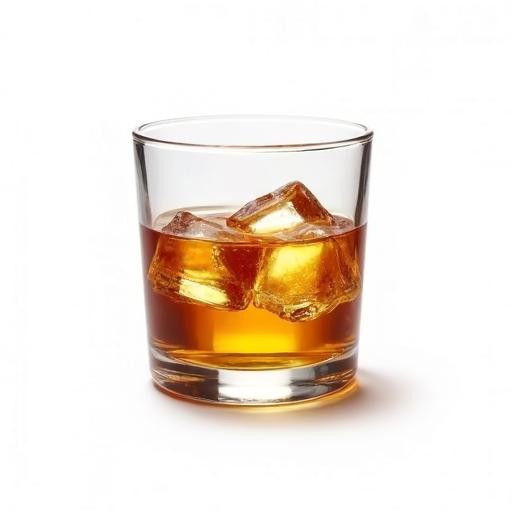
Bourbon
America's native spirit. Sweet, rich, and warming — like a handshake from Kentucky. Made from corn, aged in new charred oak, and legally protected as a distinctly American product.
- Immediately approachable
- Excellent in cocktails
- Great value at entry level
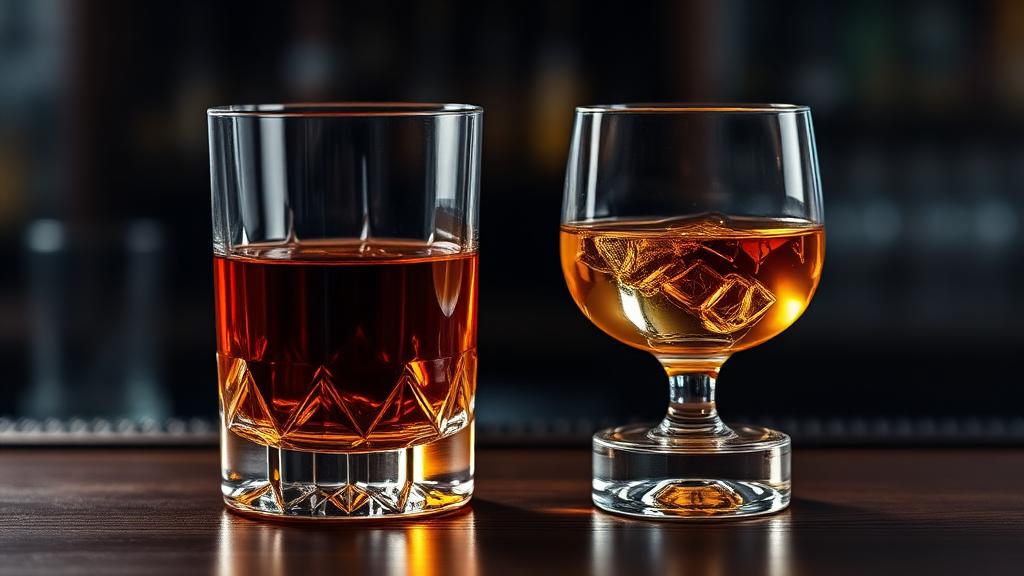
Scotch
Scotland's gift to the world. From honeyed Speyside drams to maritime Islay smoke bombs, scotch is a universe of flavour packed into one small country.
- Incredible regional diversity
- Rewards deep exploration
- Complex ageing potential
Side-by-Side Comparison
The fundamental differences at a glance.
| Category | Bourbon | Scotch |
|---|---|---|
| Origin | United States (primarily Kentucky) | Scotland |
| Primary Grain | At least 51% corn | Malted barley (single malt) or grain blend |
| Cask Requirement | New charred American oak — always | Used casks (ex-bourbon, sherry, port, etc.) |
| Minimum Age | No minimum (2 years for 'straight') | 3 years by law |
| Typical ABV | 40–50% (often 45%) | 40–46% (cask strength 50%+) |
| Flavour Profile | Sweet, vanilla, caramel, oak, corn warmth | Varies wildly — fruity, smoky, floral, briny |
Flavour Profile Comparison
Vanilla & Caramel
New charred oak gives bourbon intense vanilla extraction. Scotch picks up subtler notes from used bourbon casks.
Smoke & Peat
Bourbon is almost never peated. Scotch ranges from zero smoke (Speyside) to intense maritime peat (Islay).
Fruit (Fresh & Dried)
Scotch offers a vast range of fruit from green apple to tropical to complex dried fruits from sherry maturation.
Spice
High-rye bourbons deliver cinnamon and pepper. Scotch spice tends toward ginger and floral notes.
The Verdict
There is no winner. Bourbon and scotch do different things brilliantly. Bourbon is generous and upfront — it tells you exactly what it is from the first sip. Scotch asks you to lean in, pay attention, and be rewarded with layers of complexity that evolve over minutes.
If you're new to whisky, start wherever your curiosity pulls you. If you're a bourbon loyalist who's never explored scotch (or vice versa), you owe it to your palate to cross the aisle. The whisky world is too rich to stay in one lane.
The best whisky is the one in your glass — wherever it was made.
Frequently Asked Questions
Yes. Bourbon is an American whiskey — a subcategory. All bourbon is whiskey, but not all whiskey is bourbon.
Scotch must age at least 3 years (many age 10-25+), production volumes are often smaller, and import costs add up.
Absolutely. While it's famous neat, cocktails like the Penicillin or Rob Roy are world-class classics.
Corn is sweeter than barley, new charred oak releases more sugars, and the hot Kentucky climate accelerates extraction.
For bourbon drinkers trying scotch: Balvenie 12 DoubleWood. For scotch drinkers trying bourbon: Woodford Reserve.
Continue Your Journey
Explore more guides, browse our collection of whiskies, or compare bottles side by side.
PourAtlas is an educational platform. We encourage responsible appreciation of whisky. Please enjoy responsibly.